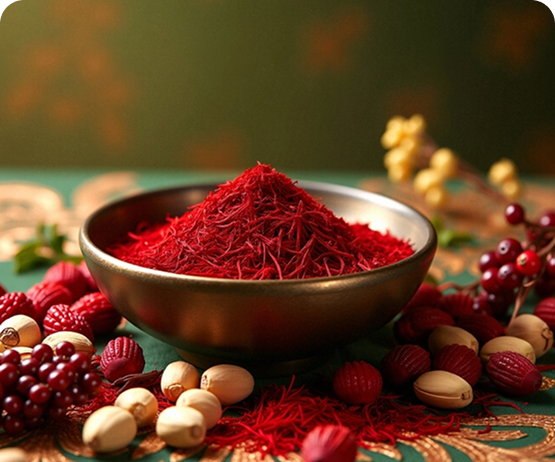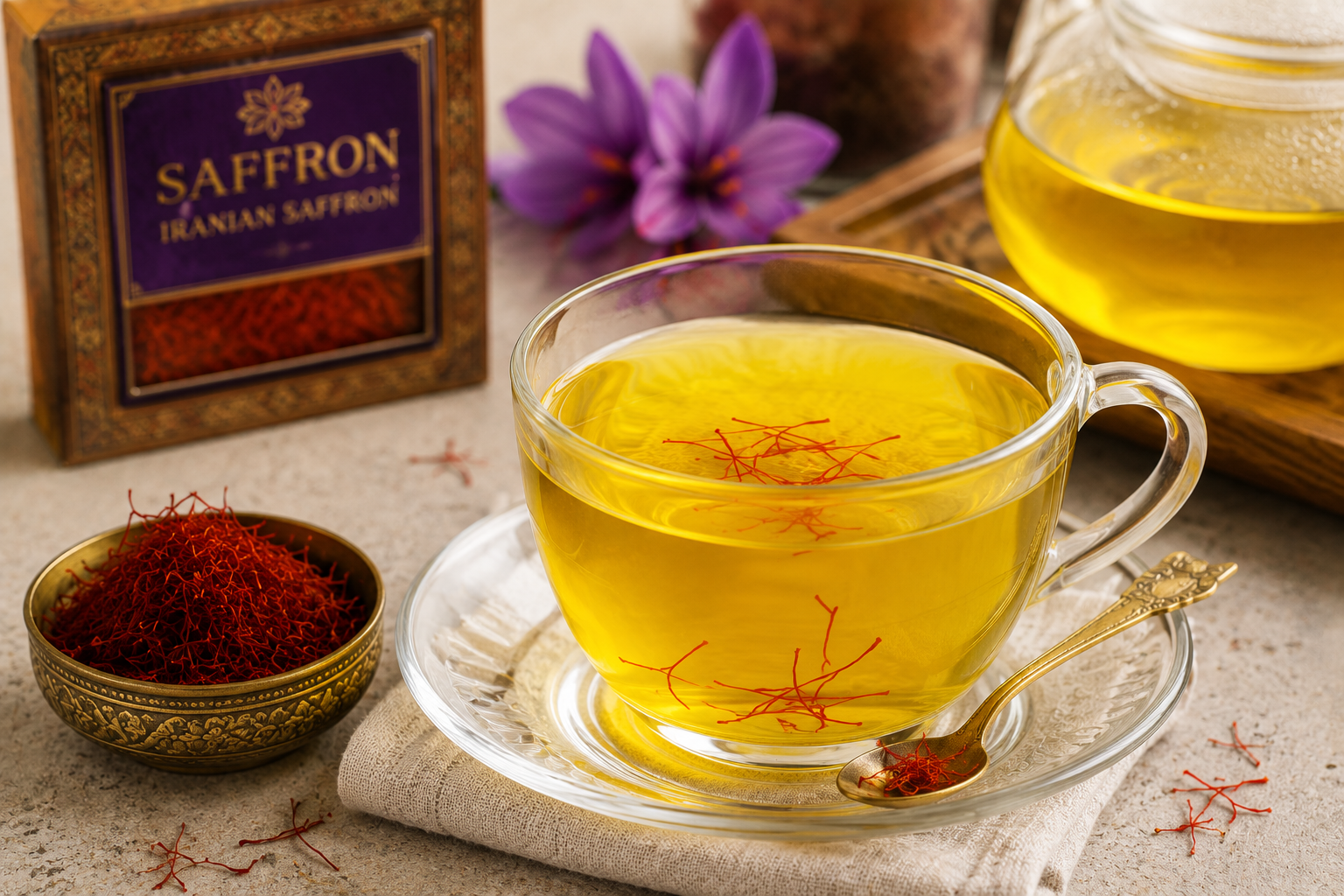
Saffron tea is one of the simplest ways to experience the aroma and colour of Persian saffron. A few carefully prepared threads can create a warm golden colour, a delicate floral aroma and a distinctive flavour.
For beginners, however, making saffron tea is not simply a matter of dropping threads into boiling water. The preparation method, quantity and ingredients you choose can make a noticeable difference.
This guide explains how to make saffron tea from whole threads, how saffron tea bags can be used for convenience, several Persian-inspired recipes, what is currently known about saffron tea benefits, and how to choose and store saffron for the best experience.
What Is Saffron Tea?
Saffron tea is a drink made by infusing saffron threads in hot water, either by themselves or together with tea leaves and other aromatic ingredients. Saffron comes from the dried red stigmas of Crocus sativus. Because only a small part of each flower becomes the spice, authentic saffron is precious and normally used in small quantities.
A simple saffron infusion can be enjoyed on its own. Persian-inspired versions may combine saffron with black tea, cardamom, rose petals, rose water, honey or sugar.
Why Is Saffron Tea So Special?
The appeal of saffron tea comes from its combination of colour, aroma and ritual. Saffron develops a naturally golden colour as it infuses, while its aroma can be floral, honey-like and slightly earthy.
Saffron also has a long history in Persian cooking and hospitality. It is used in rice, desserts, drinks and festive dishes, so a saffron-based tea can be a simple way to introduce guests to Persian flavour.
Saffron Tea Benefits: What Do We Actually Know?
Searches for saffron tea benefits are popular, but culinary enjoyment should be separated from medical claims. Saffron contains compounds including crocin, crocetin, picrocrocin and safranal, and research has investigated saffron extracts for several possible effects.
However, research on concentrated extracts should not automatically be presented as proof that an ordinary cup of saffron tea treats or prevents a medical condition. Healthline’s medically reviewed overview discusses several areas of research while also noting that evidence varies and more research is needed.
For Saffronir, the strongest editorial approach is to describe saffron tea as a fragrant food and beverage and discuss research cautiously. Anyone using saffron for a medical purpose, taking medication, or considering unusually large amounts should consult a qualified healthcare professional.
If you want to buy Saffron , you can buy them here. : Saffron Shop
How to Make Saffron Tea
You need a few saffron threads and hot water. For a richer Persian-style drink, add black tea, cardamom, rose petals, honey or sugar.
Gently crush the saffron without turning it into a fine powder. Place it in a small amount of warm water and let it bloom for around 10–15 minutes. The liquid should become golden.
Add the infusion to hot water or prepared tea. This gives you more control over the colour and flavour than simply dropping dry threads into a cup.
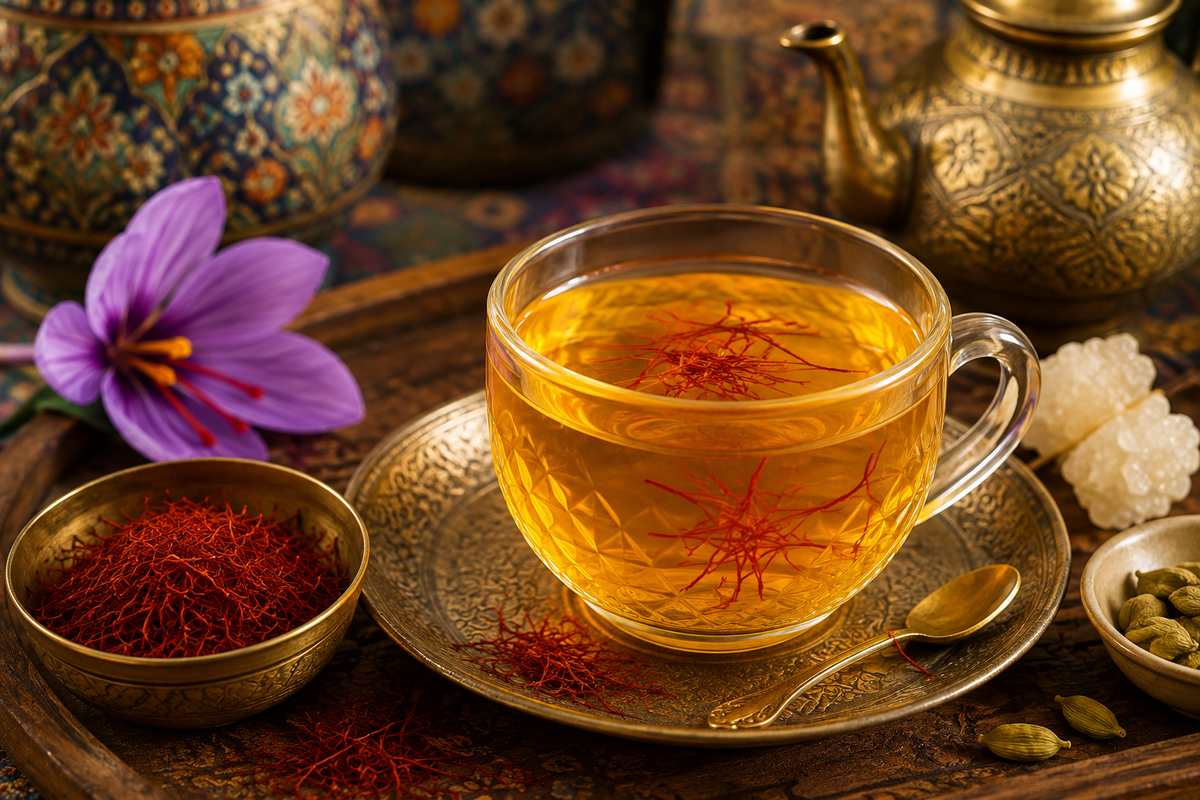
Classic Persian Saffron Tea Recipe
For two cups, use a small pinch of saffron threads, about 1½ cups of hot water, black tea if desired, and optional cardamom or rose water.
1. Gently crush the saffron.
2. Add it to a little warm water.
3. Let it infuse for 10–15 minutes.
4. Prepare black tea separately if using it.
5. Combine the tea and saffron infusion.
6. Add cardamom, rose water, honey or sugar if desired.
7. Serve warm.
The aim is balance: Persian saffron should be noticeable without making the drink harsh or overpowering.
Saffron Tea With Black Tea
If you enjoy traditional black tea, combine it with a prepared saffron infusion. Brew the black tea normally and add the golden saffron liquid afterward.
Choose a mild or medium-strength tea if you want the saffron to remain noticeable. An extremely strong black tea can hide its delicate floral character.
Saffron Tea With Cardamom
Cardamom and saffron are classic partners in Persian-inspired drinks. Gently crush one cardamom pod and steep it with your tea, then add the saffron infusion. Adjust the amount to taste so the cardamom supports rather than dominates the saffron.
Saffron Tea With Rose
Rose and saffron create an especially Persian-inspired combination. Use a small amount of food-grade rose water or dried edible rose petals. Both ingredients are aromatic, so a light touch produces a more elegant drink.
Saffron Tea With Honey and Lemon
Honey can soften saffron’s earthy character and add gentle sweetness. Lemon creates a brighter and more refreshing version. Add lemon gradually because strong acidity can easily become the dominant flavour. This combination is also useful for iced saffron tea.
How to Use Saffron in Tea Without Wasting It
The most common mistake when learning how to use saffron in tea is using the threads without first giving them time to release their colour and aroma.
Gently crush the threads, bloom them in warm water and then add the golden infusion to your tea. Using a small amount of quality saffron and preparing it properly is generally more effective than adding a large quantity directly to boiling water.
Saffron Threads vs Saffron Tea Bags
Whole saffron threads are ideal when you want to control the recipe yourself. You can see the threads, measure them and create your own combinations.
Saffron tea bags are convenient because the portion is prepared and easy to brew. They are useful at work, while travelling or whenever you want a quick cup. Threads are excellent for cooking and custom tea recipes, while tea bags are convenient for everyday brewing.
How Much Saffron Should You Use in Tea?
There is no single amount for every recipe. Start with a small pinch and adjust the strength. For a two-cup preparation, a few threads can provide noticeable colour and aroma, especially when crushed and infused first.
If you are using saffron tea bags, follow the package directions because blends and portion sizes vary. More saffron is not automatically better; the goal is a balanced drink.
When Is the Best Time to Drink Saffron Tea?
There is no universal best time. Saffron tea can be enjoyed in the morning, during an afternoon tea break or after a meal.
If the recipe contains black tea, remember that black tea naturally contains caffeine. For an evening drink, a caffeine-free saffron herbal infusion may be more appropriate. Choose the timing according to the recipe and your preferences rather than treating saffron tea as a medical product.
Can You Drink Saffron Tea Cold?
Yes. Saffron tea can be served chilled. It works particularly well with lemon, honey, mint or a little orange or rose flavour. Prepare the infusion and tea first, allow them to cool, then pour over ice.
How to Make Saffron Iced Tea
Prepare a concentrated saffron infusion with a small amount of hot water. Brew black tea separately if desired and allow it to cool. Fill a glass with ice, add the tea and then add the saffron infusion. Finish with lemon, honey or mint.
The golden colour makes saffron iced tea attractive for summer gatherings, brunches and dinner parties.
Saffron Tea and Persian Hospitality
Tea is an important part of hospitality in Iran, and saffron can add a luxurious touch to the familiar tea ritual. A small saffron infusion can be served alongside traditional black tea, sweets, dates or nuts.
For guests, prepare a small pot of saffron tea and offer cardamom or rose as optional additions. This makes saffron tea a simple introduction to Persian flavour and hospitality.
How to Choose Good Saffron for Tea
Whole saffron threads are practical for tea because you can inspect the product before brewing. Look for a reputable supplier that clearly states the origin and provides useful product information.
Saffronir describes its range as Persian saffron from Iran and offers saffron threads, gift packs, powder and other saffron products. Avoid choosing saffron only because it has a very low price; compare origin, grade, packaging and supplier transparency.
How to Store Saffron for Tea
Store saffron in an airtight container in a cool, dry and dark place. Keep it away from direct sunlight, humidity and strong-smelling foods. Correct storage helps preserve the aroma and colour that make saffron tea distinctive.
Common Mistakes When Making Saffron Tea
1. Using too much saffron. A small amount is usually enough.
2. Boiling saffron for too long. Prolonged high heat can reduce its delicate aroma.
3. Skipping the infusion. Blooming helps release colour and flavour.
4. Using an extremely strong tea base. It can hide saffron’s character.
5. Adding too many aromatic ingredients. Cardamom, rose, honey and lemon should complement saffron.
6. Storing saffron incorrectly. Light, moisture and strong odours can affect quality.
Who Should Be Careful With Saffron?
Culinary saffron is different from concentrated saffron supplements or extracts. People who are pregnant, taking medication, have allergies, or are considering large amounts of saffron should seek professional medical advice before using it for a health purpose.
This article is about enjoying saffron as food and drink, not treating medical conditions. That distinction is important because search results for saffron tea benefits often mix ordinary culinary use with research on concentrated extracts.
Where to Buy Saffron Tea in the EU
If you are searching for where to buy saffron tea, choose a supplier that clearly explains its products, ingredients and origin.
Saffronir’s website currently presents Persian saffron and herbal tea products and lists saffron tea among its product offerings. It also presents a Saffron Ginseng mixed tea-bag product and states that it provides worldwide delivery and customer support.
For the strongest commercial path, link this article to the relevant Saffronir saffron tea product, then to saffron threads for readers who want to make their own tea, and to gift packs for readers looking for a Persian food gift.
Frequently Asked Questions
Is saffron tea good for you?
Saffron tea is a flavorful beverage, and saffron contains compounds that have been researched for possible health effects. However, evidence for specific medical benefits is not strong enough to present ordinary saffron tea as a treatment.
What are the main saffron tea benefits?
People commonly search for mood, antioxidant and general wellness benefits. Research has investigated these areas, but results from concentrated extracts should not be presented as proof that a normal cup of tea treats a condition.
How do I make saffron tea?
Gently crush a few saffron threads, bloom them in warm water for about 10–15 minutes, then add the golden infusion to hot water or tea.
Can I make saffron tea with tea bags?
Yes. Saffron tea bags are convenient and can be brewed according to the product instructions.
How do I use saffron in tea?
Prepare a saffron infusion first, then combine it with black tea, green tea or a caffeine-free herbal base.
Can I add cardamom?
Yes. Cardamom adds warm aromatic notes that complement saffron.
Can I drink saffron tea cold?
Yes. Prepare it normally, cool it and serve over ice with optional lemon, honey or mint.
Where can I buy saffron tea in the EU?
Choose a reputable supplier with clear product information and sourcing details. Saffronir offers Persian saffron and saffron-based tea products.
Final Thoughts
Saffron tea is a simple way to enjoy one of the world’s most distinctive spices without a complicated recipe. The key is to treat saffron gently: use a small amount, bloom the threads before brewing and allow the aroma to develop.
For a classic Persian-inspired cup, combine saffron with black tea and optionally add cardamom or rose. For a lighter drink, enjoy the saffron infusion on its own. For summer, turn it into iced tea with lemon and honey.