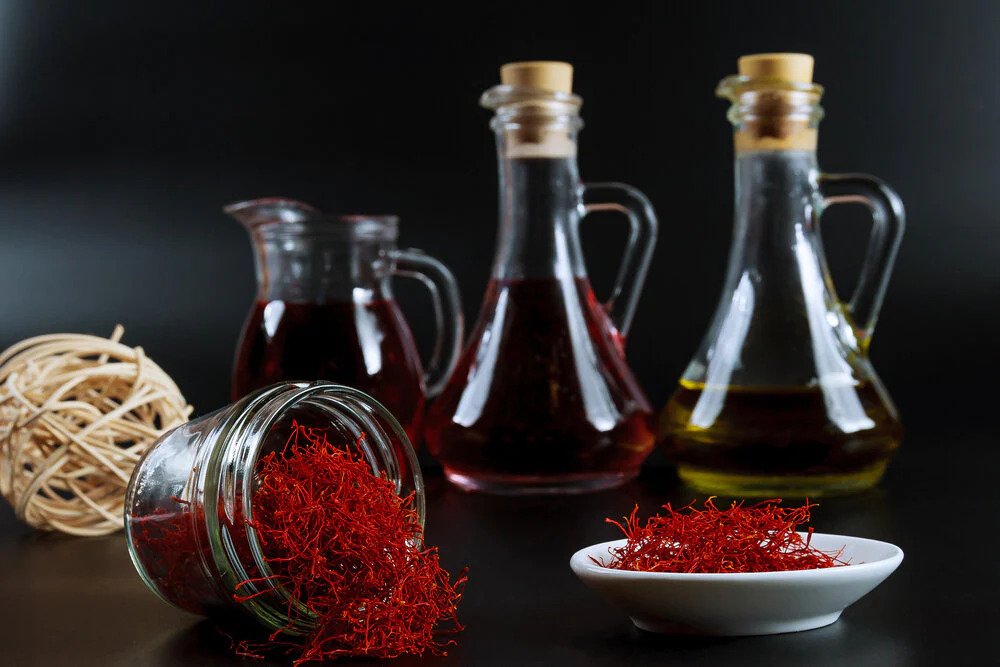
For centuries, saffron has captivated civilizations with its rich aroma, vibrant color, and an array of potential health benefits. Originating from ancient Persia, this precious spice was highly valued not only for its culinary uses but also for its medicinal properties. Today, scientific research has shed light on the positive effects of saffron on various disorders, confirming its esteemed status as a versatile remedy. From enhancing the function of the nervous and immune systems to alleviating symptoms of depression, digestive issues, PMS, and skin abnormalities, saffron continues to intrigue scientists and health enthusiasts alike.
One of the remarkable findings regarding saffron is its potential to improve the function of the nervous system. Studies have shown that certain compounds in saffron can have neuroprotective effects, helping to safeguard brain cells and potentially reducing the risk of neurodegenerative disorders. Moreover, saffron has shown promise in improving mood and reducing symptoms of depression. Active constituents within saffron, such as crocin and safranal, have been found to have antidepressant effects by regulating neurotransmitters in the brain. These discoveries open doors to new possibilities in treating mental health conditions naturally.