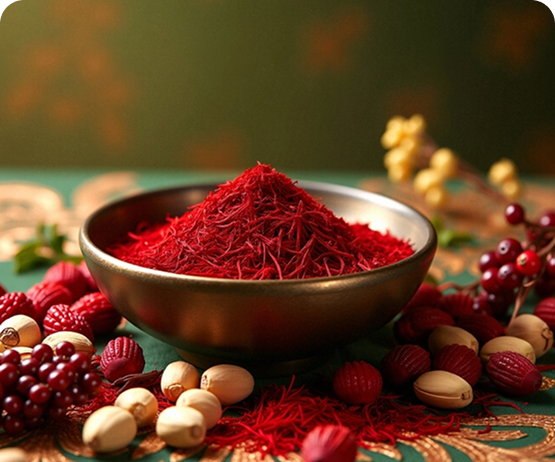
Introduction: Welcome to the world of saffron, a spice renowned for its exquisite flavor, vibrant color, and remarkable health benefits. In this article, we will delve into the fascinating properties of saffron and explore how it can contribute to your overall well-being. From its historical significance to its modern-day applications, saffron has captured the attention of researchers and health enthusiasts alike. Join us on this journey of discovery as we uncover the incredible health benefits of saffron and how it can enrich your life.
Table of Contents:
| Sr# | Headings |
|---|---|
| 1 | The Origins of Saffron |
| 2 | The Nutritional Profile of Saffron |
| 3 | Saffron as a Natural Antioxidant |
| 4 | Enhancing Mood and Relieving Stress with Saffron |
| 5 | Saffron’s Role in Promoting Heart Health |
| 6 | Boosting Brain Function and Memory with Saffron |
| 7 | Saffron for Digestive Health |
| 8 | Saffron’s Potential Anti-Cancer Properties |
| 9 | Managing Weight and Controlling Appetite with Saffron |
| 10 | Saffron for Healthy Skin and Radiant Complexion |
| 11 | Alleviating Symptoms of Premenstrual Syndrome (PMS) with Saffron |
| 12 | Saffron as a Natural Sleep Aid |
| 13 | Enhancing Vision and Eye Health with Saffron |
| 14 | Saffron’s Potential Anti-Inflammatory Effects |
| 15 | Saffron for Respiratory Health |
| 16 | Using Saffron in Culinary Delights |
| 17 | How to Select and Store Saffron |
| 18 | Incorporating Saffron into Your Daily Routine |
| 19 | Potential Side Effects and Precautions of Saffron |
| 20 | Conclusion |

1. The Origins of Saffron
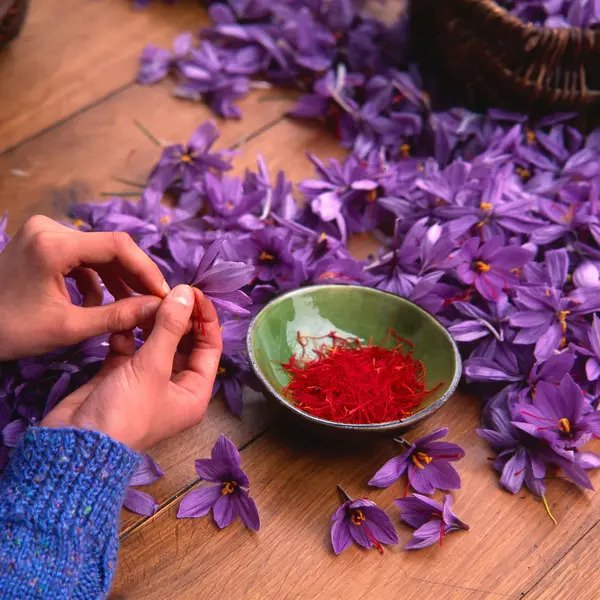
Saffron, scientifically known as Crocus sativus, traces its origins back to ancient civilizations. It is believed to have originated in Greece or Southwest Asia. The vibrant threads of saffron come from the stigma of the crocus flower and are harvested by hand. This delicate and labor-intensive process contributes to its preciousness and value.
Subheading: The Historical Significance of Saffron Saffron holds a long history of culinary and medicinal use. Ancient cultures valued saffron not only for its distinctive flavor but also for its therapeutic properties. From the ancient Egyptians to the Greeks and Romans, saffron has left its mark on various civilizations.
Subheading: Saffron in Traditional Medicine Traditional systems of medicine, such as Ayurveda and Traditional Chinese Medicine, have recognized saffron for its healing properties. It has been used to address a wide range of health conditions, including digestive disorders, mood disorders, and respiratory ailments.
2. The Nutritional Profile of Saffron
Saffron is not only a flavorful spice but also a nutritional powerhouse. Although it is typically used in small quantities, saffron contains several essential vitamins and minerals. Here are some key nutrients found in saffron:
- Vitamin C: Saffron contains vitamin C, an antioxidant that supports immune function and collagen production.
- Manganese: Saffron is a good source of manganese, which plays a role in bone health and the metabolism of carbohydrates and proteins.
- Potassium: Saffron provides potassium, an essential mineral that aids in maintaining proper heart function and regulating blood pressure.
3. Saffron as a Natural Antioxidant
Saffron is rich in antioxidants, which are compounds that help protect our cells from damage caused by harmful free radicals. These antioxidants, such as crocin and crocetin, contribute to saffron’s vibrant color and offer a range of health benefits.
Subheading: Protecting against Oxidative Stress Oxidative stress occurs when there is an imbalance between free radicals and antioxidants in the body. Saffron’s potent antioxidants can help neutralize free radicals, reducing oxidative stress and promoting overall health.
Subheading: Anti-Aging Benefits The antioxidant properties of saffron make it a valuable ally in combating the signs of aging. Regular consumption of saffron may help reduce the appearance of fine lines, wrinkles, and age spots, promoting a youthful complexion.
4. Enhancing Mood and Relieving Stress with Saffron
Saffron has been used for centuries to uplift mood and alleviate stress. It contains compounds that can influence neurotransmitters in the brain, promoting feelings of well-being and happiness.
Subheading: Saffron and Serotonin Serotonin, often referred to as the “happy hormone,” plays a crucial role in regulating mood. Saffron has been found to increase serotonin levels, which may help reduce symptoms of depression and anxiety.
Subheading: A Natural Stress Reliever The unique properties of saffron can help reduce stress and promote relaxation. It has been shown to inhibit the release of stress hormones and promote a calm state of mind.
5. Saffron’s Role in Promoting Heart Health
Heart disease is a significant concern worldwide, and maintaining heart health is crucial for overall well-being. Saffron offers several benefits that contribute to a healthy heart.
Subheading: Lowering Cholesterol Levels High levels of cholesterol can contribute to the development of heart disease. Saffron has been shown to help reduce total cholesterol, LDL (bad) cholesterol, and triglyceride levels, promoting cardiovascular health.
Subheading: Blood Pressure Regulation Maintaining optimal blood pressure is essential for a healthy heart. Saffron has been found to have blood pressure-lowering effects, helping to keep blood pressure within a normal range.
6. Boosting Brain Function and Memory with Saffron
The brain is a complex organ that requires proper nutrition and care. Saffron contains compounds that can enhance cognitive function and support a healthy memory.
Subheading: Saffron and Learning Ability Studies have suggested that saffron may enhance learning ability and memory retention. It has been found to improve spatial memory and increase levels of certain neurotransmitters involved in learning and memory processes.
Subheading: Protection against Neurodegenerative Disorders Neurodegenerative disorders, such as Alzheimer’s and Parkinson’s disease, pose a significant challenge to the aging population. Saffron’s antioxidant and anti-inflammatory properties show promise in protecting against these disorders and slowing their progression.
7. Saffron for Digestive Health
Maintaining a healthy digestive system is essential for overall well-being. Saffron offers digestive benefits that can support a well-functioning gut.
Subheading: Relieving Digestive Discomfort Saffron has been traditionally used to alleviate digestive discomfort, including bloating and cramping. Its carminative properties help soothe the digestive tract and promote healthy digestion.
Subheading: Stimulating Appetite Saffron has been used to stimulate appetite, making it beneficial for individuals with reduced appetite or those recovering from illness.
8. Saffron’s Potential Anti-Cancer Properties
Cancer is a complex disease that requires comprehensive treatment approaches. While saffron is not a cure for cancer, it contains compounds that exhibit anti-cancer properties and may complement conventional therapies.
Subheading: Antioxidant and Anti-Inflammatory Effects Saffron’s potent antioxidants and anti-inflammatory properties can help combat the oxidative stress and chronic inflammation associated with cancer development.
Subheading: Apoptosis Induction Apoptosis is a programmed cell death process that helps eliminate damaged or abnormal cells. Saffron compounds have shown the potential to induce apoptosis in cancer cells, preventing their uncontrolled growth.
9. Managing Weight and Controlling Appetite with Saffron
Maintaining a healthy weight is important for overall health. Saffron may assist in weight management by suppressing appetite and reducing cravings.
Subheading: Appetite Suppression Saffron has been found to decrease appetite and increase feelings of fullness. This can contribute to reduced calorie intake, supporting weight loss or weight maintenance efforts.
Subheading: Emotional Eating Control Emotional eating is a common challenge for many individuals. Saffron’s mood-enhancing properties may help regulate emotions and reduce the tendency to turn to food for comfort.
10. Saffron for Healthy Skin and Radiant Complexion
Our skin is the largest organ in the body and plays a vital role in protecting us from external factors. Saffron can contribute to healthy skin and a radiant complexion.
Subheading: Anti-Inflammatory Effects on the Skin Skin inflammation can lead to various skin conditions. Saffron’s anti-inflammatory properties can help calm inflammation and reduce redness, promoting clearer and healthier-looking skin.
Subheading: Skin Brightening and Tone Improvement Saffron has been used for centuries to enhance skin radiance and improve complexion. Its antioxidant compounds can help lighten dark spots, even out skin tone, and promote a youthful glow.
11. Alleviating Symptoms of Premenstrual Syndrome (PMS) with Saffron
Many women experience uncomfortable symptoms associated with premenstrual syndrome (PMS). Saffron may offer relief from these symptoms and support hormonal balance.
Subheading: Mood Stabilization Mood swings and irritability are common PMS symptoms. Saffron’s mood-enhancing properties can help stabilize mood and reduce emotional disturbances during this time.
Subheading: Reducing Menstrual Pain Menstrual cramps can be debilitating for some women. Saffron’s antispasmodic properties may help relax the uterine muscles, reducing menstrual pain and discomfort.
12. Saffron as a Natural Sleep Aid
A good night’s sleep is essential for overall health and well-being. Saffron has been used traditionally as a natural sleep aid, promoting restful sleep.
Subheading: Promoting Relaxation Saffron’s calming properties can help relax the mind and body, creating a conducive environment for quality sleep.
Subheading: Improving Sleep Quality Saffron has been found to enhance sleep quality by increasing total sleep time and reducing awakenings during the night. It may contribute to a more restorative sleep experience.
13. Enhancing Vision and Eye Health with Saffron
Maintaining good vision and eye health is crucial for a fulfilling life. Saffron contains compounds that can support vision and protect against certain eye conditions.
Subheading: Age-Related Macular Degeneration (AMD) Prevention Age-related macular degeneration is a leading cause of vision loss in older adults. Saffron’s antioxidant properties may help protect the retina from oxidative damage, reducing the risk of AMD.
Subheading: Protection against Cataracts Cataracts are characterized by clouding of the lens, leading to impaired vision. Saffron’s antioxidant and anti-inflammatory effects show potential in preventing or delaying the development of cataracts.
14. Saffron’s Potential Anti-Inflammatory Effects
Chronic inflammation is associated with various health conditions, including cardiovascular disease, arthritis, and autoimmune disorders. Saffron’s anti-inflammatory properties may help reduce inflammation and alleviate associated symptoms.
Subheading: Inhibiting Inflammatory Pathways Saffron contains compounds that can inhibit the activity of pro-inflammatory molecules, helping to reduce chronic inflammation in the body.
Subheading: Managing Inflammatory Skin Conditions Inflammatory skin conditions, such as acne and eczema, can be challenging to manage. Saffron’s anti-inflammatory effects may help calm skin inflammation and improve these conditions.
15. Saffron for Respiratory Health
Respiratory health is essential for overall well-being and quality of life. Saffron possesses properties that can benefit the respiratory system and support respiratory health.
Subheading: Relieving Respiratory Symptoms Saffron has been used in traditional medicine to alleviate respiratory symptoms, including coughing and congestion. Its expectorant properties can help loosen mucus and promote easier breathing.
Subheading: Asthma Management Asthma is a chronic respiratory condition characterized by airway inflammation and constriction. Saffron’s anti-inflammatory effects may provide relief for individuals with asthma by reducing airway inflammation.